A paperback original – a PBO, meaning it was published as a softcover, never reprinted from a hardcover – from a niche children’s book publisher, by a then-marginal author, issued once and never reissued: these are the conditions of remainder-bin obscurity, not of several-hundred-dollar asking prices.
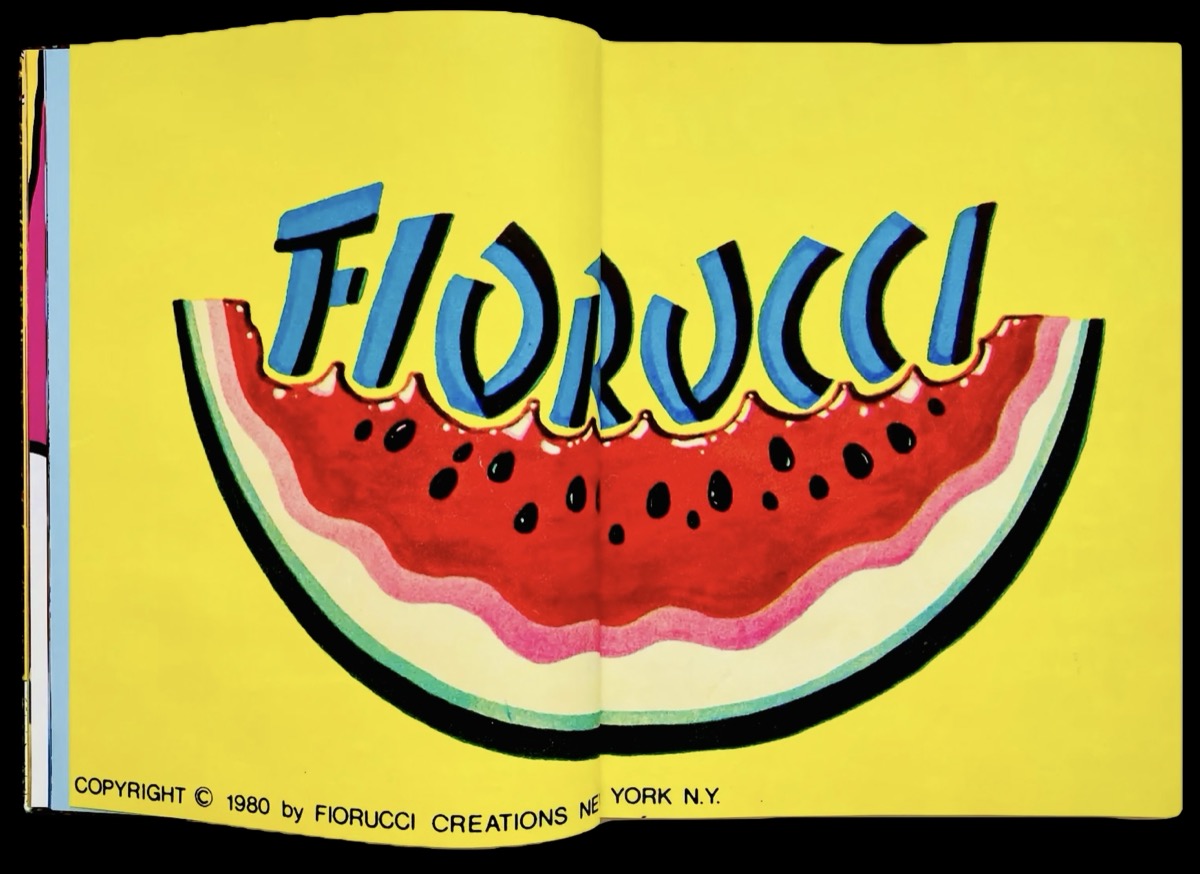
“Fiorucci, the Book” (1980), written by Eve Babitz and published by Harlin Quist, documented the Fiorucci New York store – known as “the daytime Studio 54” – at the peak of its influence as a nexus of fashion, art, and nightlife. Forty-six years later, the book has become a sought-after collector’s item, with only 16 copies listed for sale worldwide, at the time of this writing. At THESE DAYS LA, a Los Angeles vintage retailer, a copy listed at $500 has already sold out. On eBay, an ambitious seller wants $775.
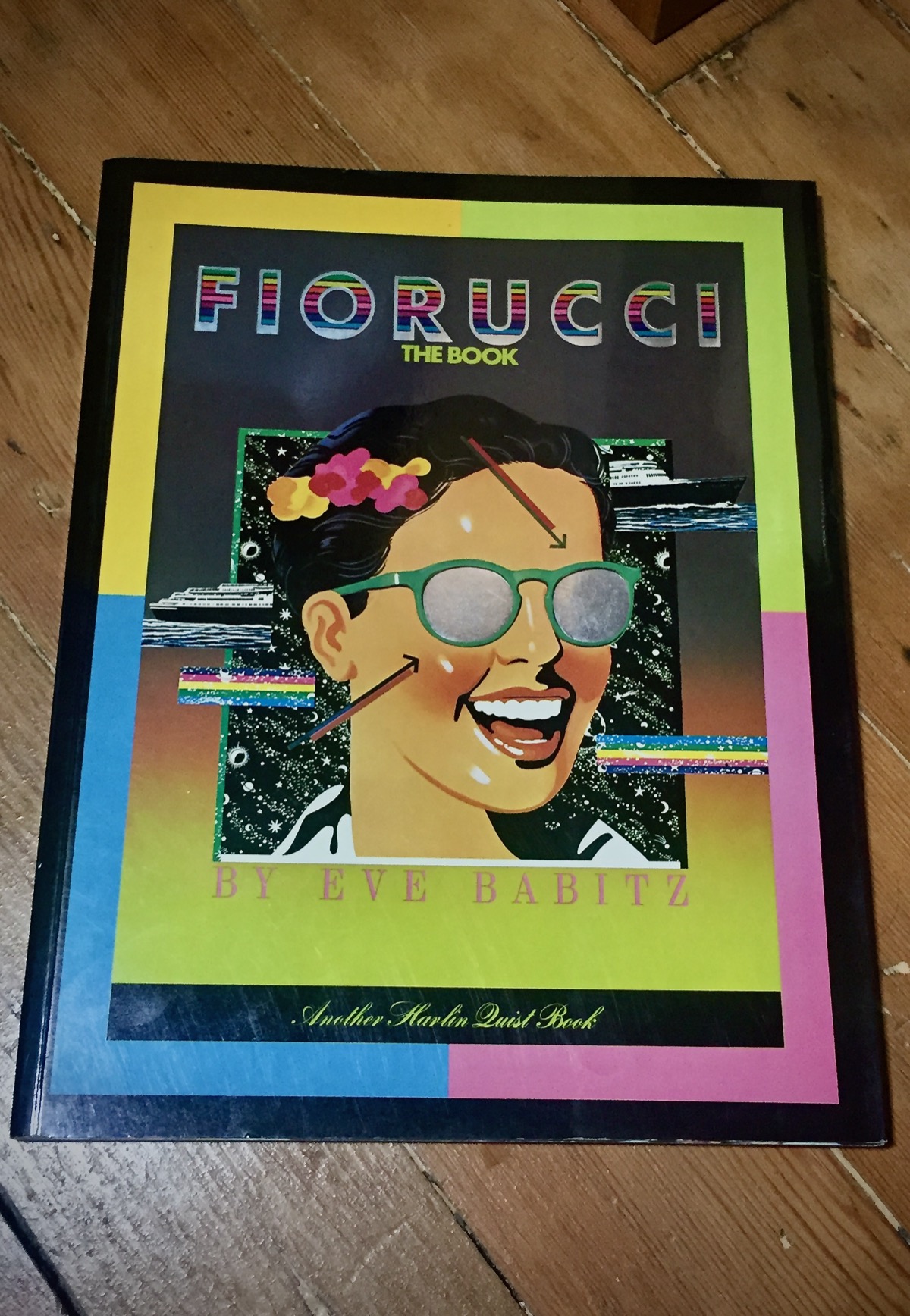
I bought this book over a decade ago, for less than $50, and was not aware of how its price would skyrocket, nor did I know much about it. The story of how this book became a collector’s item is, in miniature, a story about how cultural objects accrue value – through the convergence of literary revival, physical distinctiveness, mortality, scarcity, and the self-reinforcing dynamics of nostalgia and identity. That convergence is as interesting as the artifact itself.
“The Daytime Studio 54” – The World the Book Documented
The Fiorucci New York store opened in spring 1976 at 125 East 59th Street in Manhattan, one block from Bloomingdale’s. Its interior, designed by a team including Ettore Sottsass and Andrea Branzi, was a high-gloss fever dream of primary colors, graphic patterns, and futuristic materials.
The store wasn’t a shop so much as a happening. In-house DJs spun the B-52’s, David Bowie, and Blondie. Models danced in window displays. Free espresso was served… a novelty when most Americans still drank Maxwell House.
The relationship with Studio 54 was literal, not merely metaphorical: Fiorucci sponsored the club’s April 26, 1977, debut, chartering a jumbo jet to fly in Italian guests while the Alvin Ailey Dance Troupe performed in Fiorucci designs by illustrator Antonio Lopez. Andy Warhol was given a free office in the space; Keith Haring exhibited artwork on the walls; Kenny Scharf held his first solo exhibition there; Klaus Nomi was among the customers, and Marc Jacobs skipped summer school to spend time in the store.
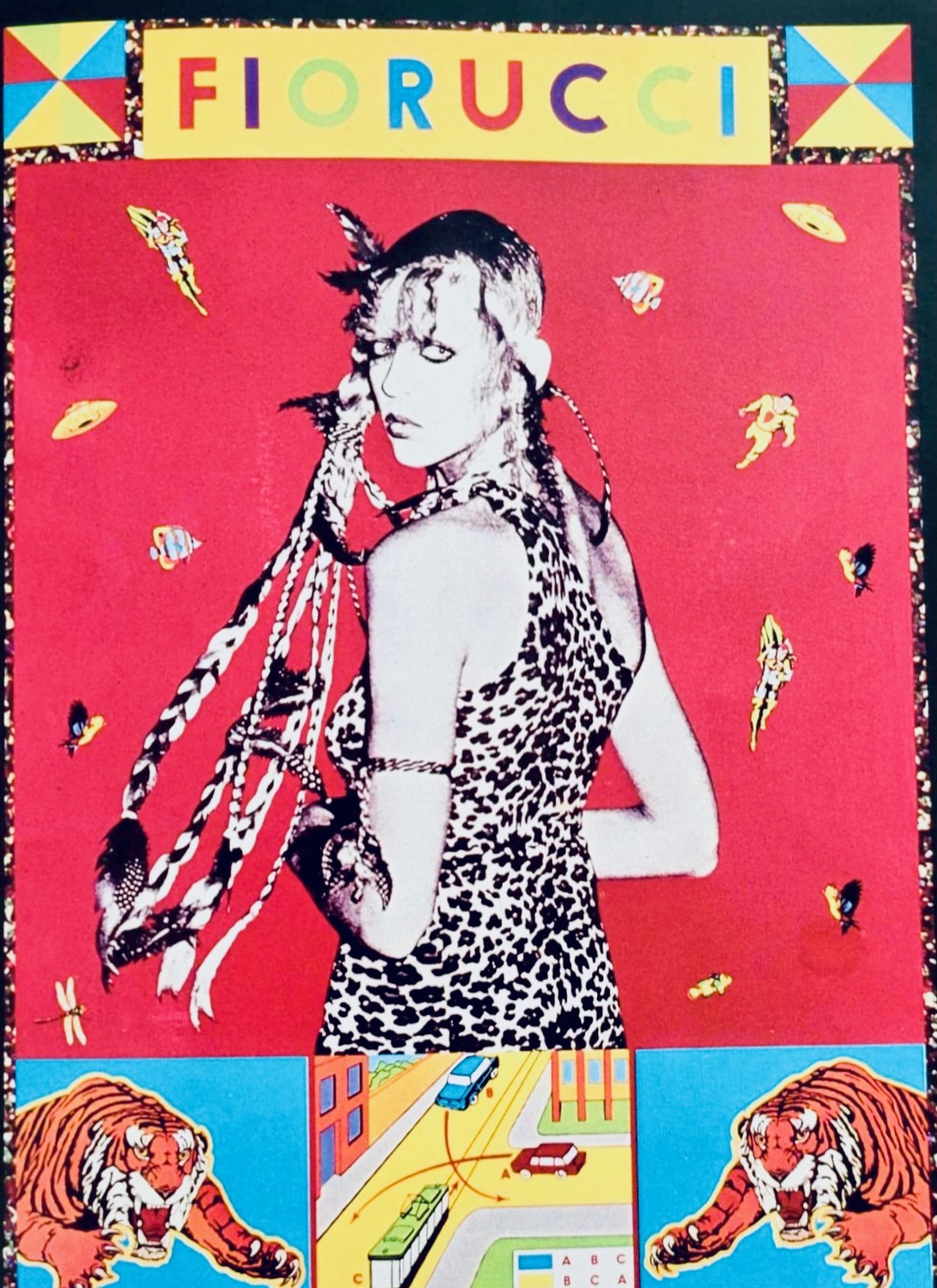
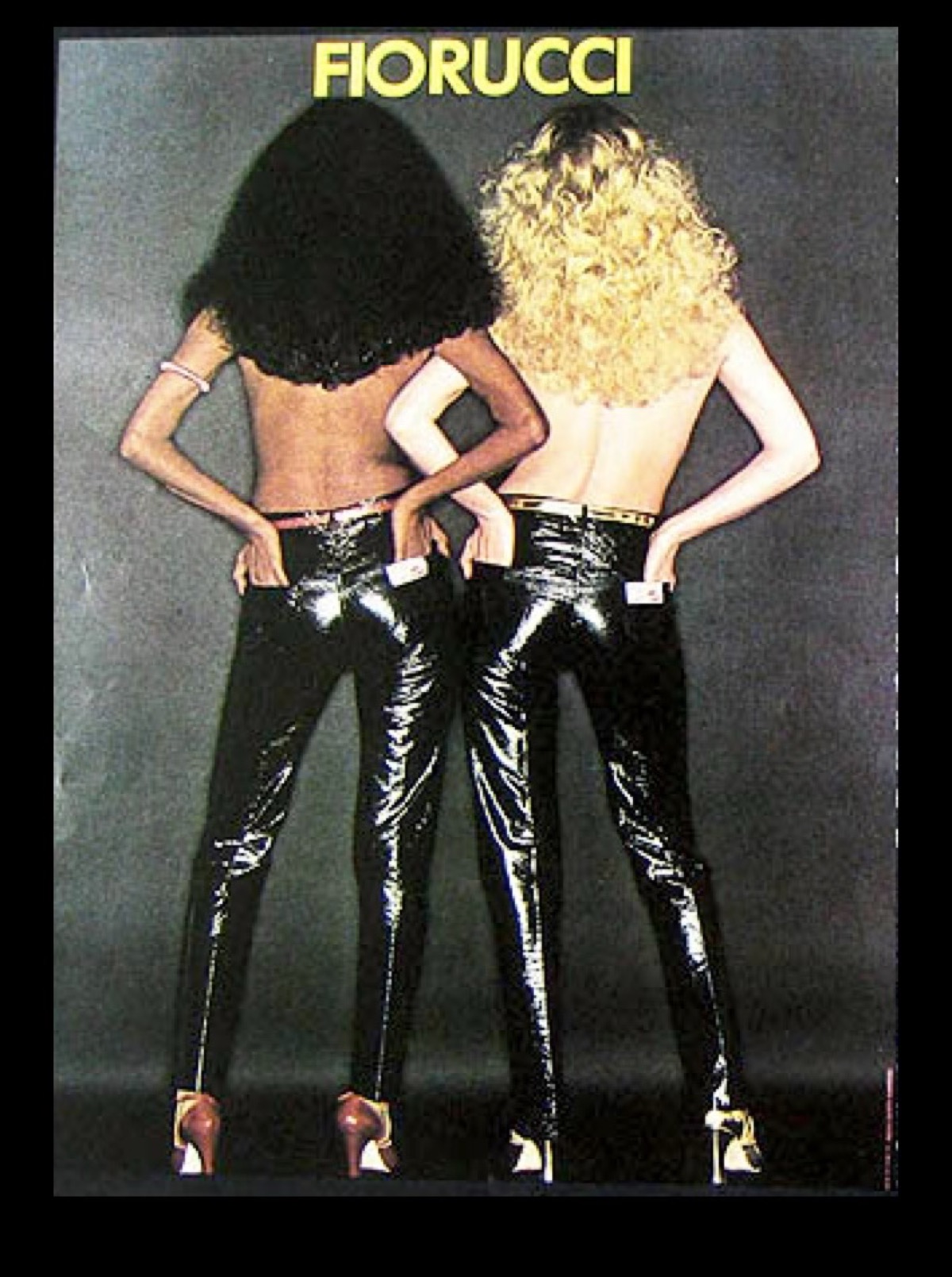
Maripol, the French jewelry designer who later created Madonna’s signature rubber-bracelet look, served as art director from 1978. Joey Arias managed the store and performed in its window displays. Paper magazine sold its first issue at Fiorucci. A then-unknown Madonna performed at the Fiorucci 15th-anniversary party at Studio 54 in 1983.
The store closed around 1986, its end attributed to financial mismanagement and overexpansion rather than cultural irrelevance.
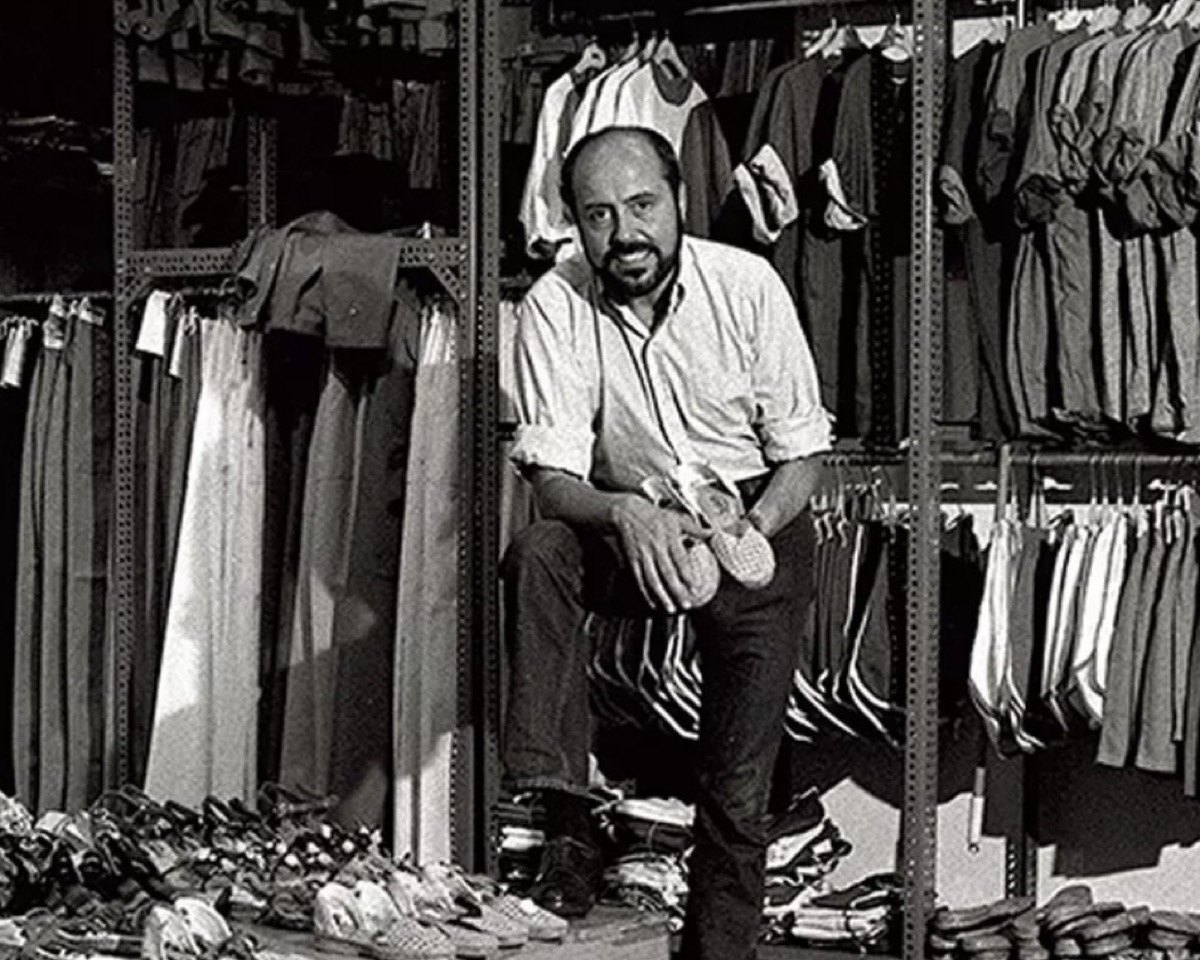
Iconic fashion designer Elio Fiorucci sold the business to Edwin International in 1990 and died on July 20, 2015, at age 80, in Milan.
The Making of the Book
The publisher, Harlin Quist, born in 1930 in Virginia, Minnesota, founded his publishing house in 1965 with $100 of borrowed capital. Between 1966 and 1984 he published approximately 64 titles – virtually all children’s books – featuring authors including Eugene Ionesco and Marguerite Duras. Los Angeles Times critic Digby Diehl called him “the most innovative and controversial of all children’s books publishers.” His hallmark was the book as art object: elegant design and physical presence reflecting his conviction that a children’s book was a work of art.
The author Eve Babitz was born in 1943 in Hollywood, the daughter of a Fox studio musician and the goddaughter of Igor Stravinsky. In 1963, a nude, 20-year-old Babitz could be seen playing chess with the artist Marcel Duchamp on a photograph by Julian Wasser on the occasion of Duchamp’s landmark retrospective at the Pasadena Art Museum.

By the late 1970s she had published Eve’s Hollywood (1974), Slow Days, Fast Company (1977), and Sex and Rage (1979) – books whose prose the Los Angeles Review of Books characterized as dancing “between enthusiasm and droll wit, fiction and autobiography” (LARB, 2019). Babitz designed album covers for Buffalo Springfield and the Byrds, and became known for romantic associations with The Doors singer Jim Morrison, painter Ed Ruscha, actors Steve Martin and Harrison Ford, and the writer Dan Wakefield, among others.
What made Babitz particularly well suited for the Fiorucci project was her conviction that pleasure, fashion, and consumer culture were legitimate subjects for serious literary attention, combined with social access to the creative scenes Fiorucci intersected.
The Fiorucci book was anomalous for both Harlin Quist and Eve Babitz. For Babitz, it was the sole title published by a specialty press on a single-brand commercial subject; the biographer Lili Anolik characterizes it as categorically distinct from all Babitz’s other work. For Quist, it was one of only two known non-children’s titles from 1980.
Fluorescent and vivid, backward and upside down
The physical result embodied Quist’s philosophy: a large-format softcover, approximately 11 by 8½ inches, printed on colored paper stocks – fluorescent and vivid, echoing the Fiorucci brand’s neon palette, heavy illustration, and Couratin’s graphic layout.
Commune Design calls it “an experimental fusion blending text and imagery rather than a conventional fashion monograph” that “embodies the aesthetic it documents.” The Second Shelf describes it as “a fantastic example of graphic design for fashion writing” where “the book in itself is an incarnation of said aesthetic.”
Eve Babitz interviewed dozens of people involved with the Fiorucci brand, and created a polyphonic oral-history-style investigation rather than a single-voice essay.
What the Book Reveals
Fiorucci, the Book is significant in two registers, and the gap between them is where the most interesting story lives.
First, as a primary document. The book is a contemporaneous, participant-observer record of the Fiorucci store at the height of its influence, produced before the store closed and before the principal figures became historical subjects.
Second, as a case study in how objects accrue cultural value. Pierre Bourdieu argued that taste functions as a vehicle of social distinction. Russell Belk demonstrated that possessions serve as extensions of identity – for collectors, the owned object becomes part of the self.
Collectibility is not a property inherent in the object. It is constructed around it – by revivals, by deaths, by scarcity, by the stories collectors tell themselves about what they own and why.
Owning this book signals membership in a specific intersection of fashion history, literary connoisseurship, and design appreciation. Its price is shaped less by its content than by this identity function. This is not a debunking; as Randall Mason argued for the Getty Conservation Institute, heritage values are socially constructed.
The book that documented how Fiorucci sold glamour has itself become a form of glamour: a scarce, beautiful artifact whose desirability is produced by the very cultural dynamics its author once described. Babitz, who wrote that Fiorucci was “selling Hollywood to the world,” might have appreciated the irony. The world is now selling her back.